Service
Wallpaper Removal
Drywall-safe wallpaper removal that finishes with a clean, primed substrate — ready for paint, new wallpaper, or whatever your project needs next.
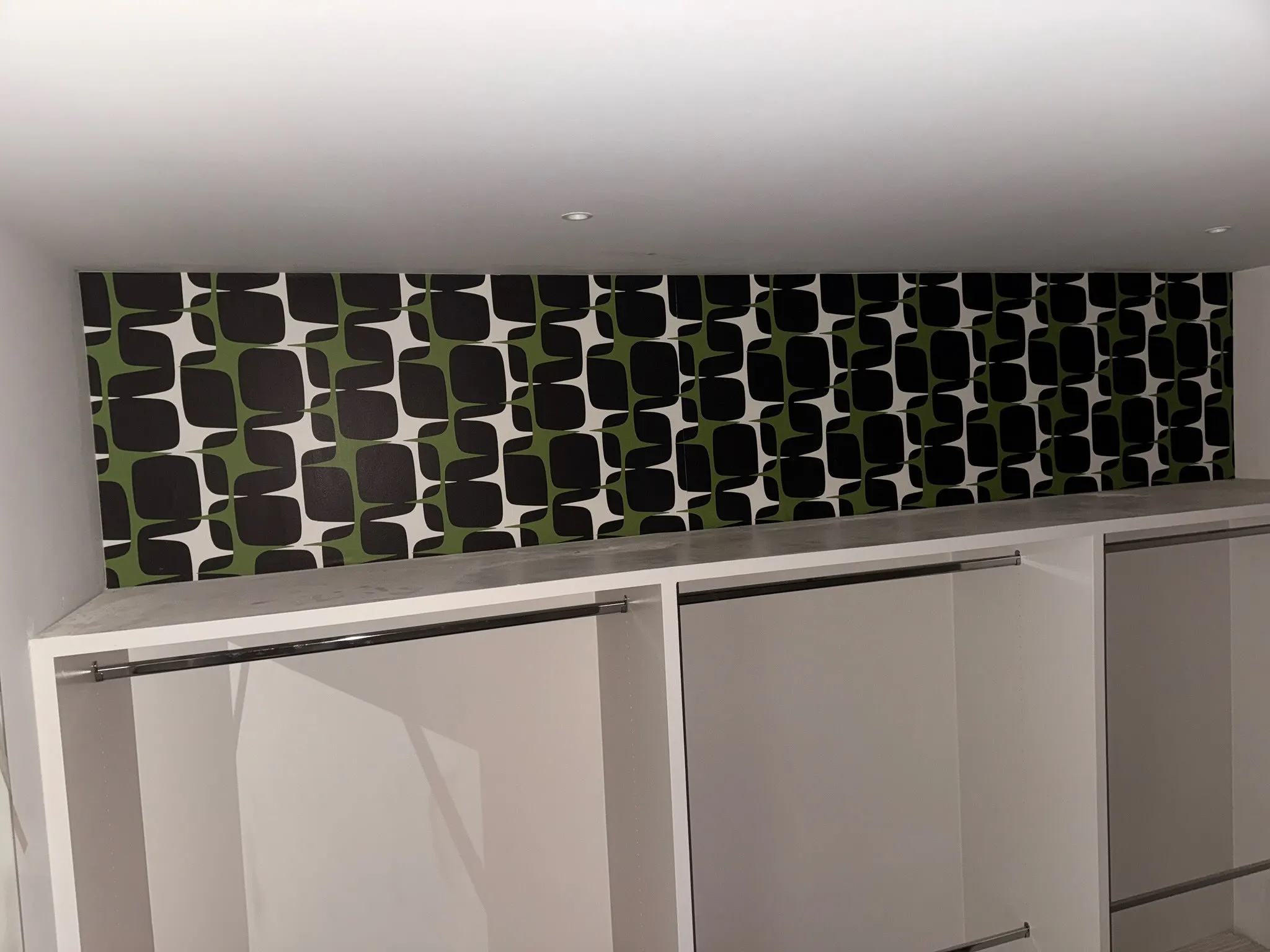
Drywall-safe wallpaper removal that finishes with a clean, primed substrate — ready for paint, new wallpaper, or whatever your project needs next.
Drywall-safe wallpaper removal that finishes with a clean, primed substrate — ready for paint, new wallpaper, or whatever your project needs next.
Most wallpaper removal jobs we get called into started as DIY attempts. The good news is that almost every wall can be saved. Our removal process uses controlled steam, scoring, and patient scraping — never aggressive blade work that would damage the drywall paper face. Once the old wallpaper is off, we wash residual paste, skim-coat any imperfections, and prime the wall so it is ready for whatever comes next.
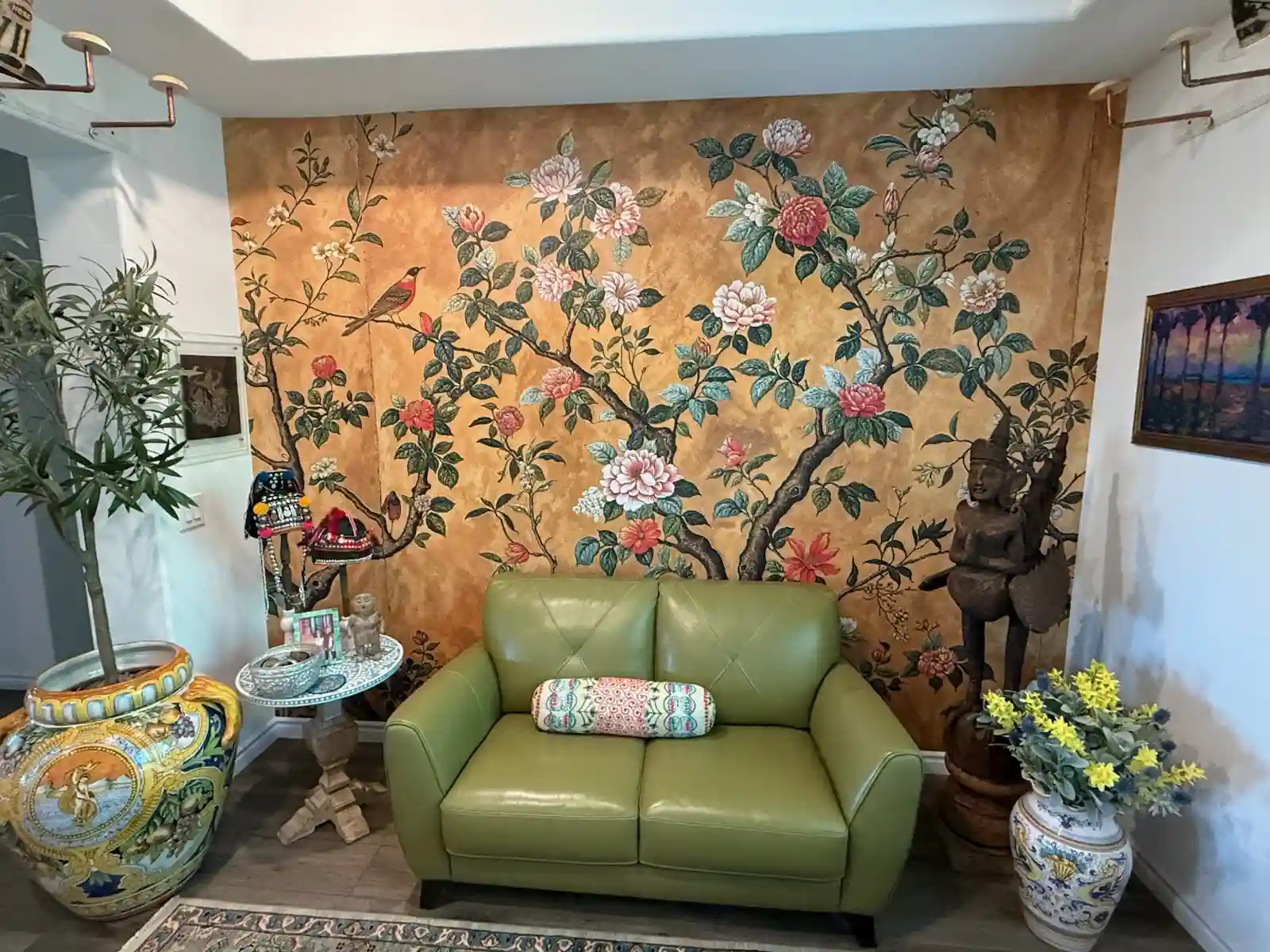
The single biggest cause of damaged drywall during removal is rushing. We work in patient sections, soaking and softening the paste before any blade touches the wall. If a previous installer hung wallpaper on unprimed drywall, we adjust technique accordingly and absorb the extra time so your wall ends in good shape, not in patches.
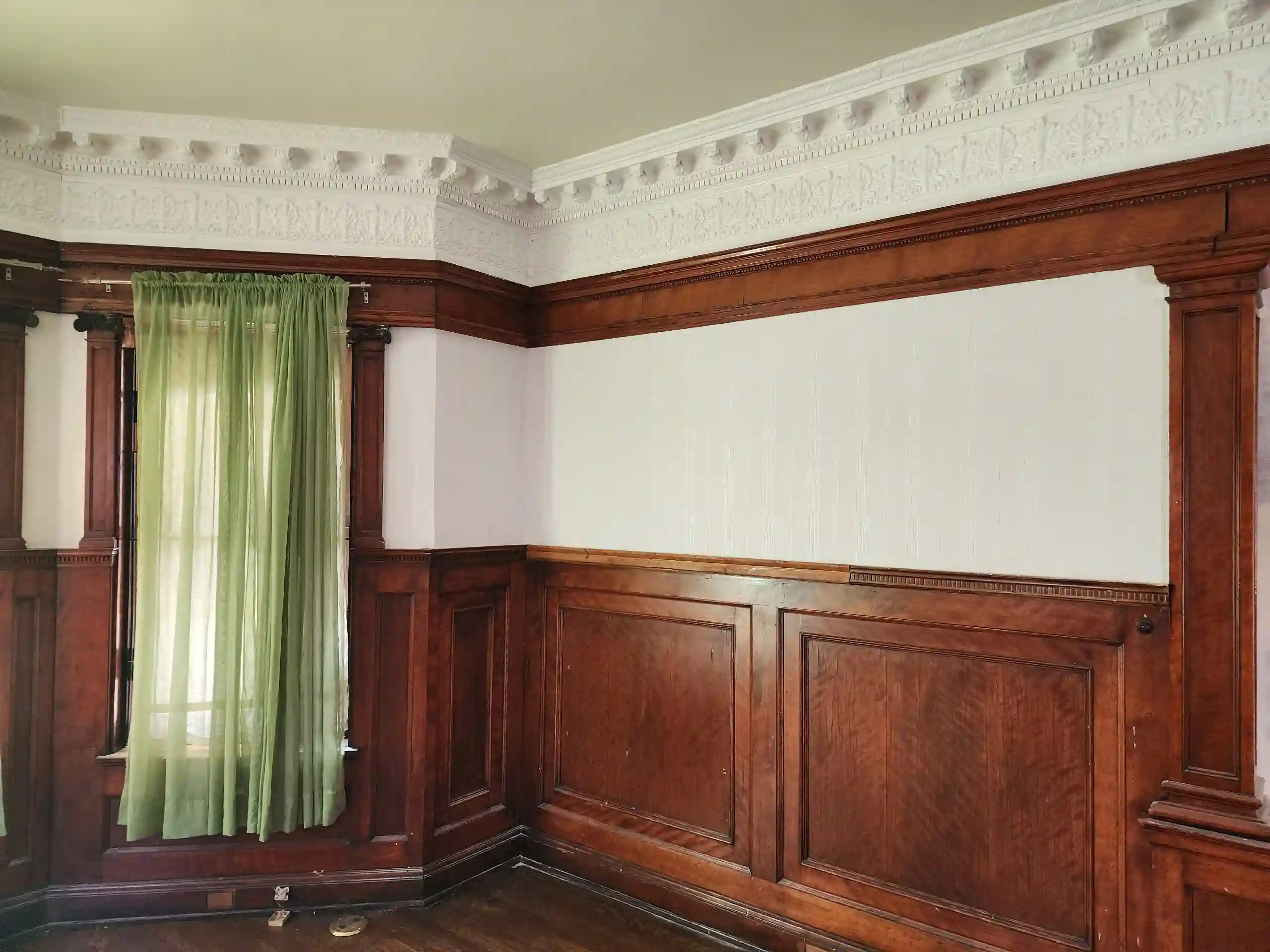
Removal is only finished when the wall is actually ready for what comes next. We sand, skim-coat, sand again, and prime so the wall accepts paint or new wallpaper cleanly. If you are repapering with us, we'll fold prep right into the new install scope so you only see one number on the quote.
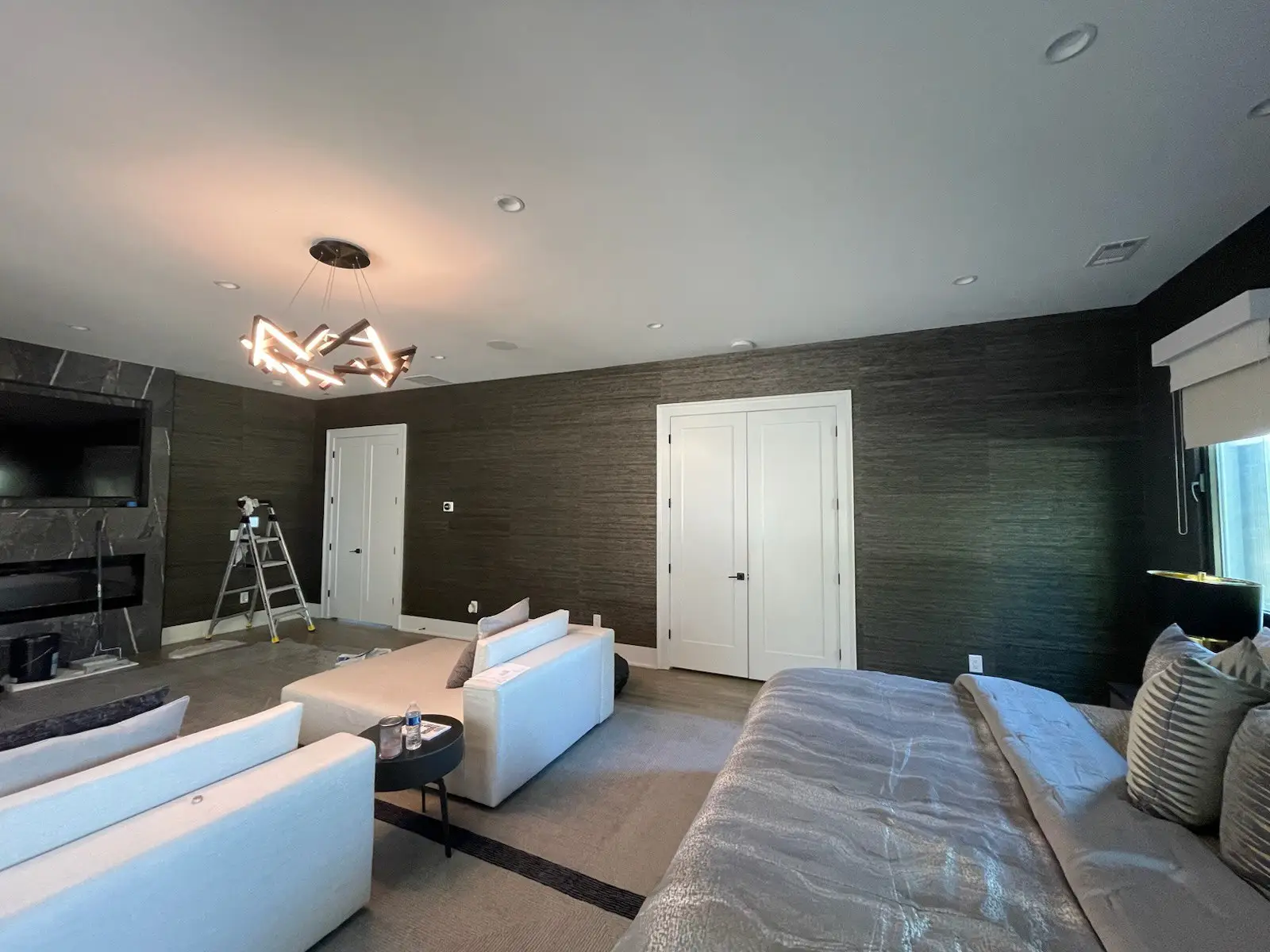
We start in an inconspicuous corner to confirm removal method.
Carefully scored only when the wallpaper requires it.
Controlled steam relaxes paste; we wait, not rush.
Plastic scrapers used first; metal blades only when safe.
Remaining paste washed off; wall fully dried.
Imperfections corrected and sanded smooth.
Primer applied so the wall is ready for paint or new paper.
We don't post fixed numbers because no two walls are identical. The variables that move the price the most are:
We are wallpaper specialists, not generalists. That means our installers know exactly which primers, adhesives, and rollers to use for your material and substrate combination — and they have the patience to let prep work fully cure before any paper goes up. Each project is licensed, insured, and supervised end-to-end.
Done correctly, no. Our technique protects drywall during removal and we finish with skim-coat and primer.
Yes — it takes more time, but we can score, soak, and remove painted-over wallpaper without destroying the wall.
Yes. Peel-and-stick is generally easier, but residue can remain; we clean and prime after removal.
Wait for the primer to dry per its label — usually 4–24 hours — and you'll be ready to paint.
If the wallpaper was hung directly on unprimed drywall, the paste bonded with the paper face. We slow down to protect the wall instead of forcing the paper off.
We control steam carefully and protect electronics, art, and floors. Outlets are turned off and covered.
Yes — sometimes we find two or three layers. Each layer is removed in turn with patience.
Yes — that's a common request. We patch, skim, and prime so the wall is once again a clean canvas.
We almost always recommend removal. Painting over wallpaper traps adhesive and seams that show through the paint over time.